

Key Takeaways
- Many parts of an eye exam don’t change how you see afterward.
- Dilation drops can make you sensitive to light and blur your near vision.
- Dilation often lasts around three hours, though it varies from person to person.
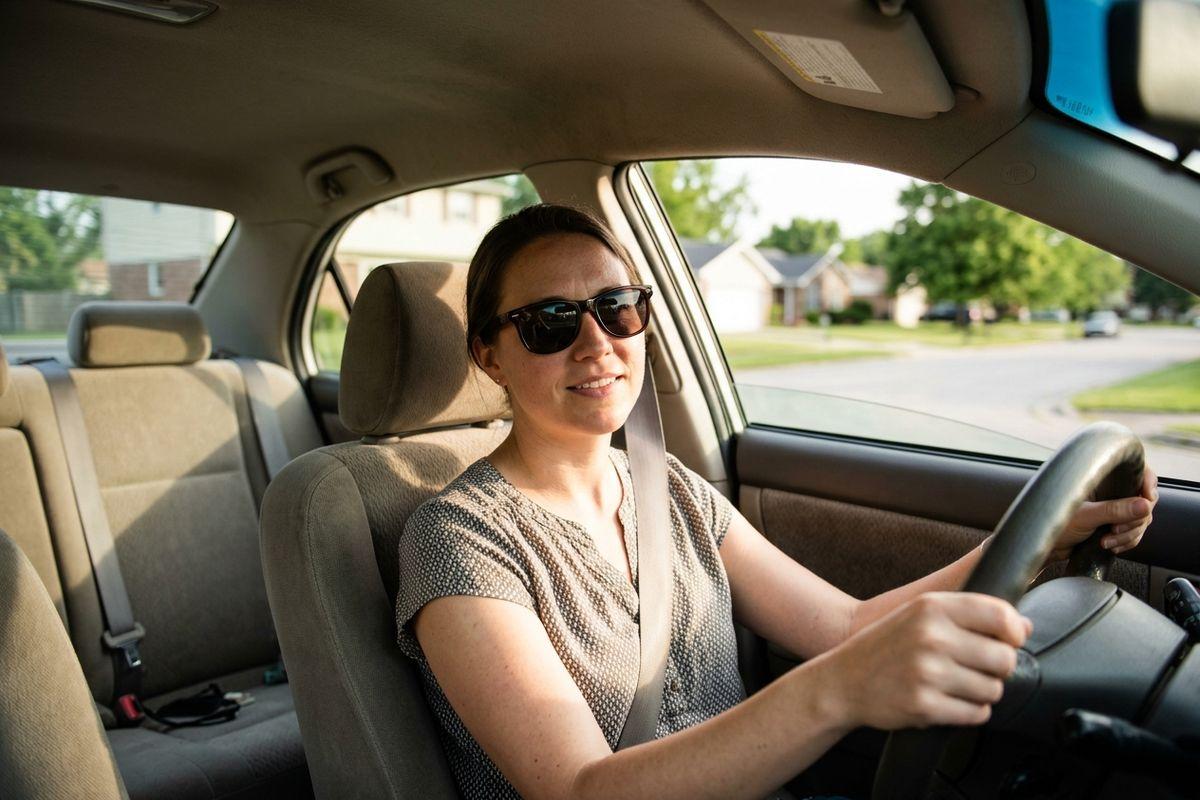
- Sunglasses help with glare on the ride home.
- Ask ahead if dilation is planned so you can line up a driver.
Plenty of people drive themselves to an eye exam and plan to drive home afterward. It’s a question families ask the team at Moses Eyecare Center all the time, usually right before the exam starts.
You can usually drive after an eye exam, but if your eyes are dilated, glare and blurry close-up vision may make it safer to bring a driver or wait until your vision feels normal again. Knowing what to expect ahead of time can help you plan around how long an eye exam takes and whatever comes next in your day.
What Happens During a Standard Eye Exam
A routine visit includes a vision check, an eye health assessment, and a prescription update if you need one. You’ll read letters off a chart and talk about any changes you’ve noticed, then your optometrist examines the front and back of each eye.
Most of these steps won’t change how you see once you walk out the door. Dilation is the one to plan around. The drops give your optometrist a wider view inside your eye, which can help them find conditions like glaucoma and diabetic retinopathy early.
How Dilation Drops Change Your Vision
Dilation drops widen your pupils so more light can enter the eye. Your pupils stay large for a while after the drops go in, which is why the parking lot may feel unusually bright when you step outside.
Here’s what you may notice while the drops are working:
- Sensitivity to sunlight and bright indoor lights
- Extra glare from the sun and oncoming headlights
- Trouble focusing on things up close, like your phone or a menu
- Vision that looks a little blurry overall
Your distance vision usually stays clearer than your close-up vision. Many dilating drops also relax the muscle your eye uses to focus up close, so reading is often tough until they wear off.
How Long Dilation Lasts
For many people, the effects fade in about 3 hours. Some notice their vision settling in under an hour, while others feel it for most of the day.
The timing depends on you, the strength of the drops, and your age. Kids and adults 65+ sometimes hold onto the effects a little longer.
The Drive Home After Dilated Eyes
Pay attention to how your eyes feel once you step outside. If sunlight feels harsh or street signs look washed out, have someone else drive you home. Some people who’ve been dilated before feel comfortable driving themselves. If you’re unsure, arrange a ride or wait until things settle.
Safety Tips for the Ride Home
If you do plan to drive, these steps can help:
- Bring sunglasses, or ask the team for a disposable pair if you forget yours.
- Wait in a shaded spot or a nearby coffee shop until the glare eases.
- Give yourself extra space between your car and the one ahead.
- Avoid driving at night until your pupils return to their normal size.
- Pull over somewhere safe if your vision starts to bother you.
Vision Requirements and the Law
Indiana sets minimum vision standards for drivers. Dilation drops can temporarily put you below the required level, so waiting until your vision feels like itself again is the safer call.
What to Do for the Rest of Your Day
Phones and computer screens may look fuzzy around the edges for a few hours. Take breaks instead of squinting through emails, and let close-detail work sit until later.
Reading, sewing, spreadsheets, and anything that runs on fine print can wait. Hold off on operating machinery, too. If you can, rest in a softly lit room with the blinds partly drawn. Your eyes tend to feel more comfortable in gentle light.
How to Plan Ahead for a Dilated Eye Exam
Ask when you book whether dilation is part of your exam. That one question tells you how to shape the rest of your day.
A later appointment means you won’t have to head back to work or school with dilated eyes. For adult and senior eye exams, it can help to line up a driver ahead of time so nobody’s stuck waiting in a bright parking lot.
Reach out to the team if light sensitivity lasts longer than expected or you notice new symptoms, like eye pain or a sudden change in your vision.
Book Your Next Exam Close to Home
Dilation adds a little time to your visit and gives your optometrist a closer look at your eye health. A bit of planning can make the trip home much easier.
The team at Moses Eyecare Center can let you know if your exam includes dilation and help you pick a time that fits your schedule. Moses Eyecare Center has 12 locations, so there’s a good chance one sits close to home! Book your next eye exam at a location near you, and ask about dilation when you schedule.