
A red, sore bump on your eyelid brings up a fair question pretty quickly: can anyone else in the house end up with one? We hear it most often from parents during eye exams.
The bacteria involved in styes already live on almost everyone’s skin and lashes. A stye shows up when those bacteria settle into an oil gland that’s already blocked, not because someone handed it to you. Styes aren’t contagious through everyday contact, so there’s no reason to stay home or keep your distance.
Why 2 People May Get Styes at Once
Sometimes 2 people in 1 house get a stye around the same time, and it feels like proof of spreading. It’s usually shared habits instead. Think of a family that rubs tired eyes after a long day or uses the same makeup during a busy morning. The timing lines up, but the styes formed on their own.
Can a Stye Spread to Your Other Eye?
A stye can move to your other eyelid, though not the way you might expect. When you rub the sore eye and then touch the other, you can spread bacteria.
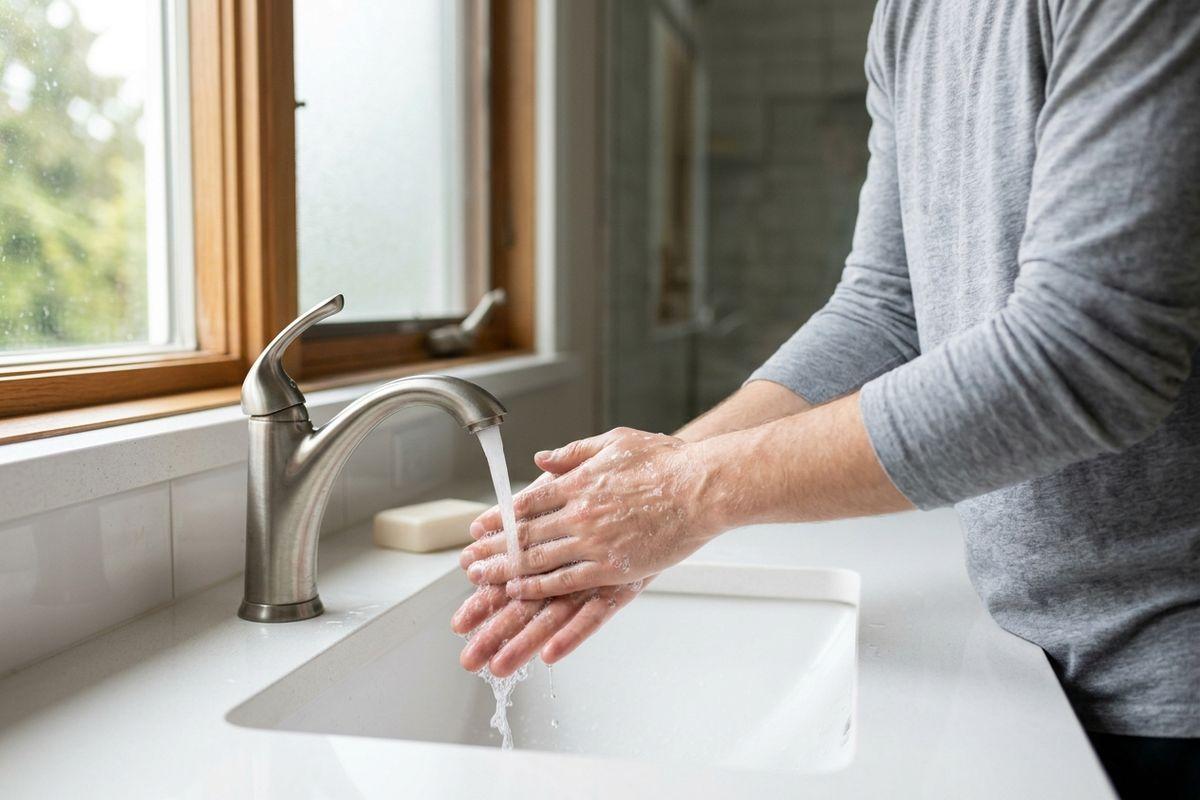
Wash your hands before you touch either eye, and try to keep your fingers away from your lids while one is healing.
What a Stye Is
Your eyelids hold rows of tiny oil glands that keep your tears from evaporating too quickly. One of them gets blocked, ordinary bacteria move in, and a tender bump fills out over a few days.
An external stye sits near the base of your lashes where you can see it. An internal one grows deeper inside the lid, so it may feel worse than it looks.
What Gets Mistaken for a Stye
Not every lump along an eyelid is a stye. A chalazion looks similar but feels firm, and it usually doesn’t hurt much, though it can hang around for weeks.
Pink eye and dry eye can be confusing too, since redness and irritation come with both. Knowing which one you’re dealing with changes what you do next, and a quick exam sorts that out in minutes.
Stye Symptoms to Watch For
Styes rarely stay subtle for long. Here’s what tends to show up:
- A tender, red, swollen bump along your eyelid.
- Watery eyes.
- Sensitivity to bright light.
- Crusting on your lashes, often worse first thing in the morning.
- The feeling that something’s stuck in your eye.
What Contributes to a Stye
Most styes trace back to daily habits you can change. Touching your eyes with unwashed hands moves bacteria straight to your lids.
Sleeping in makeup or resting on a pillowcase you’ve used all week keeps oil and grime near your lashes overnight. Old cosmetics add to the odds, and so do rushed contact lens habits like topping off your solution or stretching a pair past its replacement date.
How to Treat a Stye at Home
Most styes settle down with a simple routine you can run yourself:
- Hold a warm, damp cloth against the bump for 10 to 15 minutes, 3 or 4 times a day, which can help the gland drain.
- Clean your eyelids gently each day and skip eye makeup until the bump is gone.
- Leave the bump alone, since popping or squeezing it can push bacteria deeper into your lid.
- Switch to glasses while the stye heals so you’re not trapping bacteria against your eye.
What Not to Put on a Stye
Your eyelid skin is thin and sensitive, so keep harsh products far away. Acne creams and wart treatments don’t belong anywhere near your eye. Set your contacts aside too, and switch to glasses until the stye heals so you don’t trap bacteria against your eye.
When to See an Optometrist About a Stye
Home care handles the majority of them. A few need a professional set of eyes, so book a visit if you notice any of the following:
- No change after about a week of warm compresses.
- Redness or swelling that spreads across your lid or onto your cheek.
- Pain that keeps building.
- Any change in your vision.
Styes that keep returning can point to something else going on, like blocked glands or an eyelid condition that needs treatment. We can look for those underlying causes and help you build a lid care routine that keeps things calmer day to day.
How to Prevent Styes
A few small habits can lower your chances of another stye. Wash your hands through the day, and resist rubbing your eyes when they feel tired.
Take your makeup off every night and clean your brushes often so old product doesn’t build up. If you wear contacts, stick to your replacement schedule and wash up before you handle them.
With kids, hand washing matters most. Their fingers end up near their eyes all day, so a quick wash before school and after play can do a lot of work.
Book an Exam for a Stubborn Stye
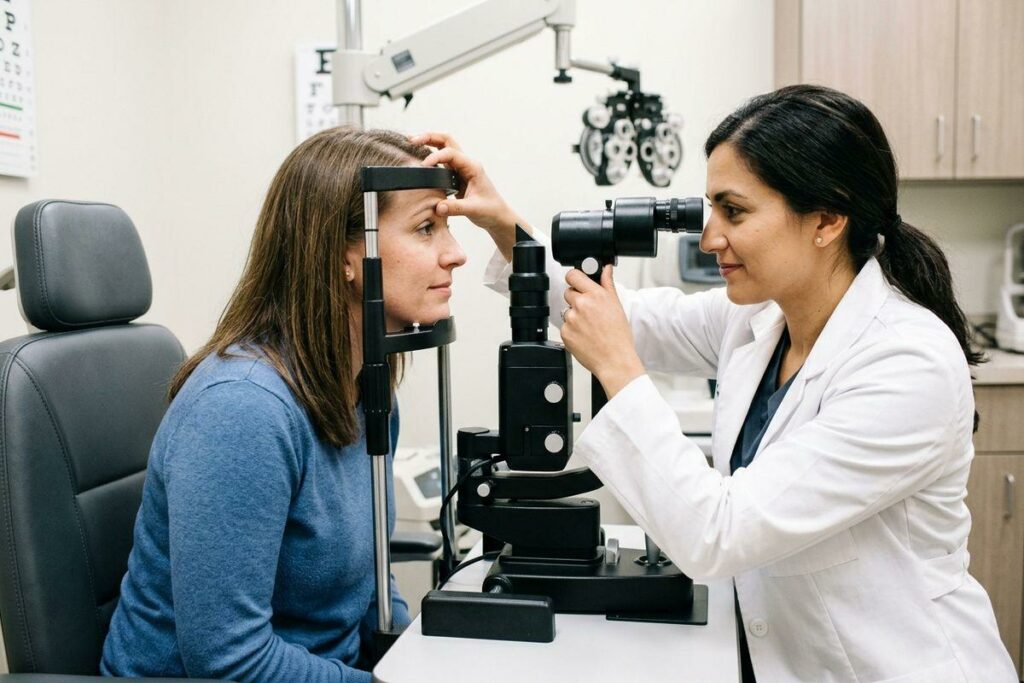
Warm compresses and clean hands take care of most styes within a week or so. If one sticks around or starts affecting your vision, come in and let us take a look.
Moses Eyecare Center has cared for families across 12 locations in Northwest Indiana since 1975. Book an appointment at the office nearest you, and let’s get that eyelid sorted out.