

Key Takeaways
- Macular degeneration impacts the central part of your vision, affecting how you see faces, read books, or drive.
- The dry form progresses slowly over many years.
- The wet form happens quickly and needs prompt attention.
- Regular exams help our eye doctor detect changes early.
- Care options exist to manage both forms of the condition.
If you or a loved one has recently been diagnosed with age-related macular degeneration (AMD), you know how frustrating the condition can be. But did you know that there are multiple types? AMD impacts the part of your eye responsible for central vision, so it’s an important condition to manage. At Moses Eyecare Center, our team is here to help you understand the different types and the management options available for each.
Age-related macular degeneration damages the retina at the back of your eye, and the main difference between the wet and dry types is how quickly vision changes happen and whether abnormal blood vessels leak fluid. This condition can sometimes happen slowly, which is why regular adult eye exams are important for detecting changes early.
Key Differences Between Wet and Dry Types
There are 2 main forms of age-related macular degeneration (AMD), and treatment changes based on which one you’re diagnosed with. Both types of AMD impact the macula, which is the part of your retina (at the back of your eye) responsible for your central vision.
The Dry Form
Dry macular degeneration often occurs when the macula thins, or as proteins build up on it, as you age. Changes don’t happen quickly for this type, so you might not notice any difference in your daily life for a long time.
Dry AMD is more common and usually requires careful monitoring to help preserve your remaining vision.
The Wet Form
The wet form of AMD acts much faster than the dry type.
Wet AMD occurs when abnormal blood vessels grow under your retina in places they don’t belong. These fragile vessels can break easily under pressure, leaking fluid and blood into the macula. This is considered an urgent eye condition because it can lead to permanent vision loss if not evaluated and treated promptly.
Signs and Symptoms to Notice
Symptoms of the Dry Type
As your macula continues to thin, you will likely begin to notice a few symptoms. The world might start looking a bit washed out, which can lead to low-vision challenges over time. Colors often look faded or less vibrant than they did a few years ago.
Some other key symptoms to be aware of include:
- You experience a gradual blurriness in your central line of vision, but the side vision seems to be clear
- Printed words look fuzzy or broken on the page
- Recognizing familiar faces takes a bit longer than usual
If these sound familiar, it’s a good idea to schedule an eye exam to have your eyes assessed.
Symptoms of the Wet Type
The wet form brings sudden and confusing changes to how you see the world. These signs can come on quickly, sometimes within a few days or hours. It’s a good idea to seek prompt eye care if you notice:
- Straight lines look wavy, bent, or distorted
- Sudden dark or empty spots appear in your direct line of sight
- Your vision changes rapidly over a very short period

Care Options for Your Eyes
Help for the Dry Form
You can support your long-term eye health through everyday habits. For example, eating dark leafy greens and fresh fish can provide your body with helpful nutrients. These foods contain nutrients that support overall eye health. Staying active and choosing not to smoke also keeps your blood flowing properly to your retina.
It’s also a good idea to protect your eyes from UV rays. We recommend wearing 100% UVA/UVB protecting sunglasses, even when it seems cloudy outside.
Help for the Wet Form
The wet form requires a direct approach to address active fluid leaks. The eye doctor can step in quickly to help protect your sight, using specific tools designed to target the broken blood vessels. This could include special medicine injections to manage the growth of these abnormal vessels or laser therapy to seal them off.
How an Eye Doctor in Northwest Indiana Can Help
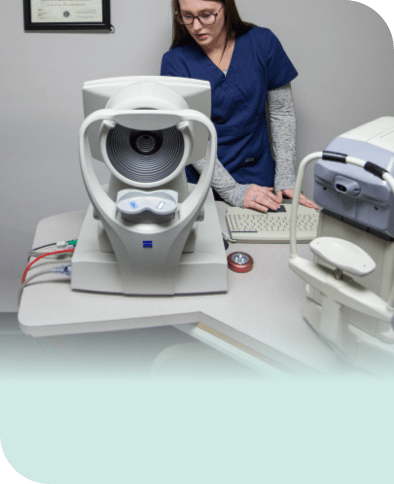
Our team at Moses Eyecare Center uses specialized retinal imaging scans to examine the back of your eyes in depth. These tools help our eye doctors spot tiny changes, sometimes before you’ve noticed a problem with your daily vision.
Catching these signs early often gives you more options for managing the condition. Regular exams keep your eyes healthy and track any developments over time. Our team can recommend an eye exam schedule tailored to you and your risk factors.
Schedule Your Next Eye Exam
At Moses Eyecare Center, we have 12 convenient locations to help you maintain your vision across Northwest Indiana, including Merrillville, Gary, Hebron, Lowell, Crown Point, Griffith, Glen Park, Winfield, Hammond, St. John, Valparaiso, and Portage. Our entire team is dedicated to providing quality, compassionate care for your family. Schedule a visit today to start being proactive about your long-term eye health.